

Orthopedic Recovery & Rehabilitation
Orthopedic rehabilitation at our skilled nursing facility focuses on comprehensive, interdisciplinary care designed to restore mobility, reduce pain, and promote a safe return to daily activities. Patients admitted for orthopedic recovery receive an individualized therapy program tailored to their diagnosis, surgical precautions, tolerance, and personal goals.
Residents recovering from hip, knee, spine, or shoulder injury, fracture, surgery, or joint replacement, as well as those managing an exacerbation of chronic orthopedic pain, typically participate in Physical Therapy and Occupational Therapy, working collaboratively to address strength, mobility, balance, and functional limitations.
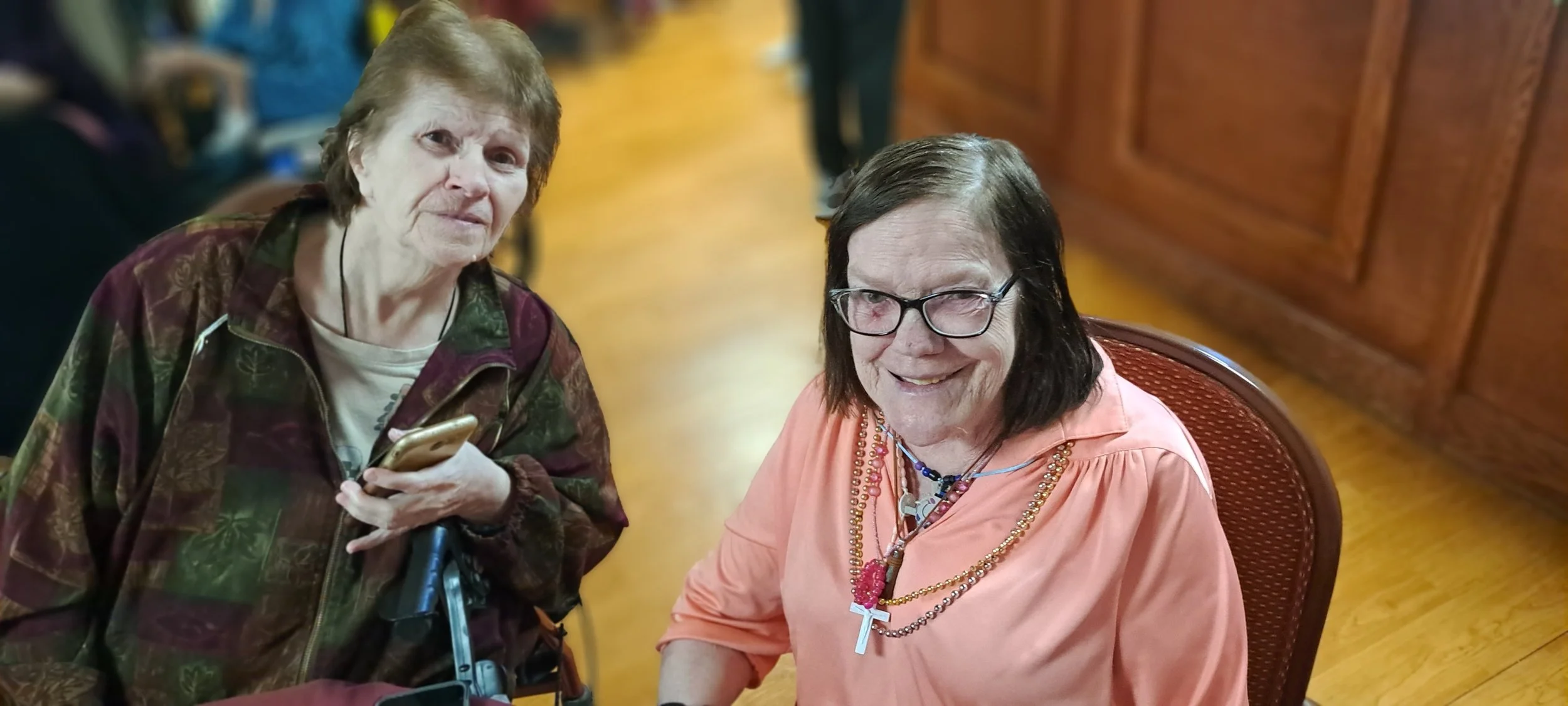
Orthopedic Success Stories
Click image to learn more
Recovery & Rehabilitation services may include:
Post-surgical, joint replacement and post-fracture rehabilitation
Pain and inflammation management
Joint protection and surgical precaution education
Orthotics and assistive device assessment and training
Range of motion and strengthening programs
Gait, balance, and stair training
Functional mobility training (bed mobility, transfers)
Activities of daily living training, including bathing, dressing, and self-care
Therapy evaluations are typically completed within the first few days of admission, allowing the interdisciplinary team to develop a patient-specific treatment plan. Ongoing patient and caregiver education is incorporated into treatment sessions to support recovery, safety, and long-term joint health.
Components of Skilled Nursing Orthopedic Rehabilitation
Physician (including Physiatry)
Nurse Practitioner or Physician Assistant
Registered Nurses and Licensed Practical Nurses
Physical Therapists
Occupational Therapists
Respiratory Therapists (as indicated)
Licensed Dietitians
Joint-Specific Orthopedic Rehabilitation
Hip Rehabilitation
Hip rehabilitation at our skilled nursing facility is designed to help residents safely regain mobility and independence following hip replacement, hip fracture, or other hip-related injuries or surgeries. Recovery after hip surgery requires careful attention to joint protection and dislocation precautions, which may temporarily limit how everyday activities are performed.
Physical and Occupational Therapists work closely with nursing staff and the orthopedic surgeon to guide residents through safe movement strategies while rebuilding strength, balance, and confidence.
Hip rehabilitation services focus on:
Post-operative hip replacement and hip fracture recovery
Strict adherence to surgeon-directed hip precautions to prevent dislocation
Pain and swelling management supported by nursing and medical providers
Gait training using appropriate assistive devices
Balance and fall-prevention training
Strengthening and range-of-motion exercises within prescribed precautions
Transfer training (bed, chair, toilet, car simulation) while maintaining joint protection
Activities of daily living training (dressing, bathing, toileting) adapted to movement restrictions
Throughout rehabilitation, residents and caregivers receive education on safe movement, positioning, and long-term joint protection to support recovery and a confident transition home.
Knee Rehabilitation
Knee rehabilitation focuses on restoring normal walking, strength, and movement following knee replacement, fracture, ligament injury, or during recovery from chronic knee pain. Unlike other joints, successful knee recovery depends on the steady progression of range of motion, particularly knee bending and straightening, to prevent stiffness and functional limitations.
Therapy is carefully advanced in collaboration with the orthopedic surgeon while nursing staff supports pain and swelling management to allow therapy to be effective.
Knee rehabilitation services focus on:
Post-operative knee replacement rehabilitation
Post-injury or post-fracture recovery
Pain and edema management supported by nursing care
Progressive range-of-motion training to improve knee flexion and extension
Strengthening programs to support safe walking and transfers
Gait and stair training
Balance and endurance training
Functional mobility and activities of daily living retraining
Residents and caregivers are educated on pacing, home exercise progression, and long-term strategies to protect the knee and maintain functional gains after discharge.
Spine Rehabilitation
Spine rehabilitation supports recovery following spinal surgery, vertebral fractures, or chronic neck and back conditions. Recovery focuses on protecting the spine during daily activities to prevent re-injury while restoring safe movement and functional independence.
Physical and Occupational Therapists provide specialized retraining to help residents move safely using spine-protective techniques, including log rolling, avoiding bending and twisting, and maintaining proper posture.
Spine rehabilitation services focus on:
Post-operative spine surgery recovery
Vertebral fracture rehabilitation
Chronic neck or low-back pain management
Core strengthening and postural training
Education on spine precautions and safe body mechanics
Training in log rolling and protected movement during bed mobility and transfers
Gait and balance training
Activities of daily living retraining with spine protection strategies
Education is a central component of spine rehabilitation, helping residents and caregivers understand how to safely perform daily tasks while protecting the spine both during recovery and long term.
Therapy Intensity
Rehabilitation focuses on improving functional ability through individualized, goal-driven therapy such as gait and mobility training, joint-specific strengthening, balance retraining, and activities of daily living—tailored to each resident’s capacity, precautions, and endurance.
Medical Management
Clinical oversight emphasizes pain control, wound and incision monitoring, prevention of complications such as falls or joint stiffness, and management of chronic orthopedic conditions to ensure medical stability throughout recovery.
Discharge Planning & Transition Home
From admission, the interdisciplinary team works closely with residents and families to prepare for discharge. Social Services coordinates communication with the resident’s primary care provider and/or orthopedic surgeon, and arranges post-discharge services such as home nursing, physical therapy, and occupational therapy as needed.
Get started with care today!
Whether you're exploring care options for a loved one or need assistance with any questions, we're here to help.